

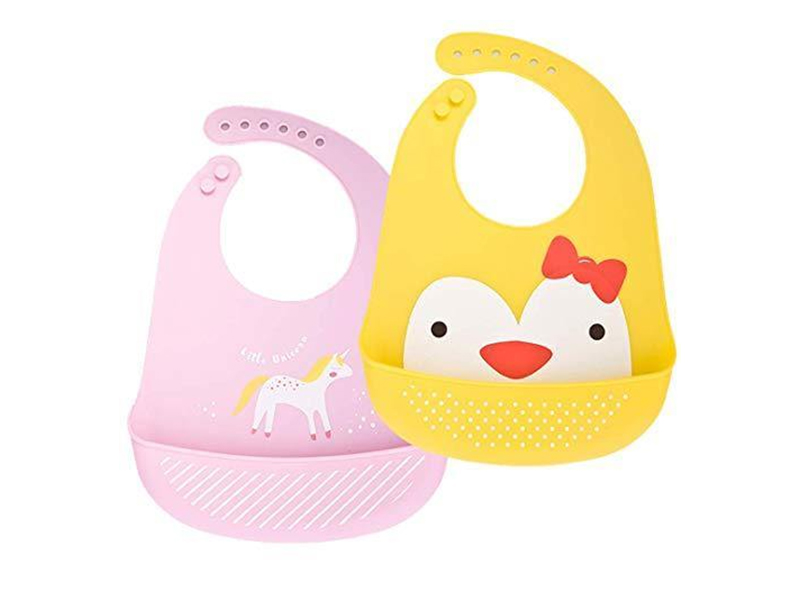
Silicone bibs are popular among parents of young children for their durability and easy-to-clean design. But some experts warn that silicone bibs may pose a safety risk to babies and toddlers. While silicone bibs are generally considered safe, there are a few potential risks that parents should be aware of.
The Benefits of Silicone Bibs
i. Durability
Silicone bibs are made from a strong, flexible material that is resistant to tearing and staining. This makes them ideal for use with messy eaters or during messy mealtime activities. Many parents also appreciate the fact that silicone bibs can be easily wiped clean or thrown in the dishwasher for a thorough cleaning.
ii. Easy to Use
These bibs are easy to put on and take off, even for squirmy babies and toddlers. They typically have adjustable neck straps that allow you to customize the fit, and some bibs even have built-in crumb catchers or catch-alls to help contain the mess.
iii. Stylish Designs
These bibs come in a variety of fun and trendy designs that both parents and kids will love. From bright colors and fun patterns to character-themed bibs, there’s a style to suit every taste.
The Potential Risks of Silicone Bibs
Despite the many benefits of silicone bibs, there are a few potential risks that parents should be aware of.
i. Choking Hazard
Small pieces of silicone can break off the bib and become lodged in a child’s throat, posing a choking hazard. This is more likely to occur if the bib is made from poor-quality silicone or if it is not properly cared for (e.g., if it is constantly being thrown in the dishwasher without being washed by hand first).
ii. Allergic Reactions
Some children may be allergic to silicone, which can cause skin irritation, redness, and swelling. If you suspect your child is allergic to silicone, discontinue use of the bib and consult your pediatrician.
iii. Digestive Issues
In rare cases, silicone bibs have been known to cause digestive issues in young children. This is thought to be due to the fact that silicone is a non-porous material, which means it doesn’t allow the skin to breathe.
- Environmental Concerns
Some parents worry about the environmental impact of silicone bibs, as they are not biodegradable. However, most silicone bibs are made from recycled materials and can be recycled after use.
How to Make Sure that Silicone Bibs are Safe for Your Child
If you’re concerned about the safety of silicone bibs, there are a few steps you can take to reduce the risk:
i. Choose a high-quality bib
Look for a bib that is made from 100% food-grade silicone and that has been certified by a reputable organization such as the FDA.
ii. Avoid constant exposure
While silicone bibs are considered safe for everyday use, it’s important to avoid exposing your child to them for prolonged periods of time. When they’re not in use, store the bibs in a clean, dry place out of your child’s reach.
iii. Inspect the bib regularly
Inspect the bib before each use to make sure that it is free of cracks, holes, or other damage. If you notice any damage, discard the bib and choose a new one.
iv. Supervise mealtimes
As with any other type of bib, it’s important to supervise your child during mealtimes to make sure that they are not putting the bib in their mouth or swallowing small pieces of silicone.
Silicone bibs are a great alternative to traditional cloth or vinyl bibs, as they are durable, easy to use, and stylish. Although there are some potential risks associated with their use, these can be minimized by following a few simple safety tips. So if you’re looking for a practical and fashionable way to keep your child’s clothes clean during mealtime, silicone bibs are a great option. If you are interested in finding an OEM/ODM factory for silicone baby bids, please contact us at info146@cn-lanxin.com.


